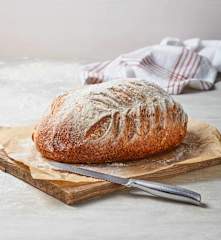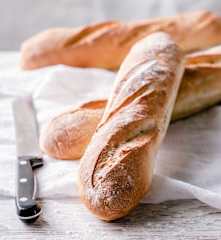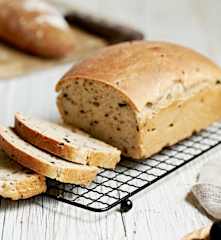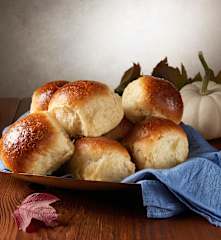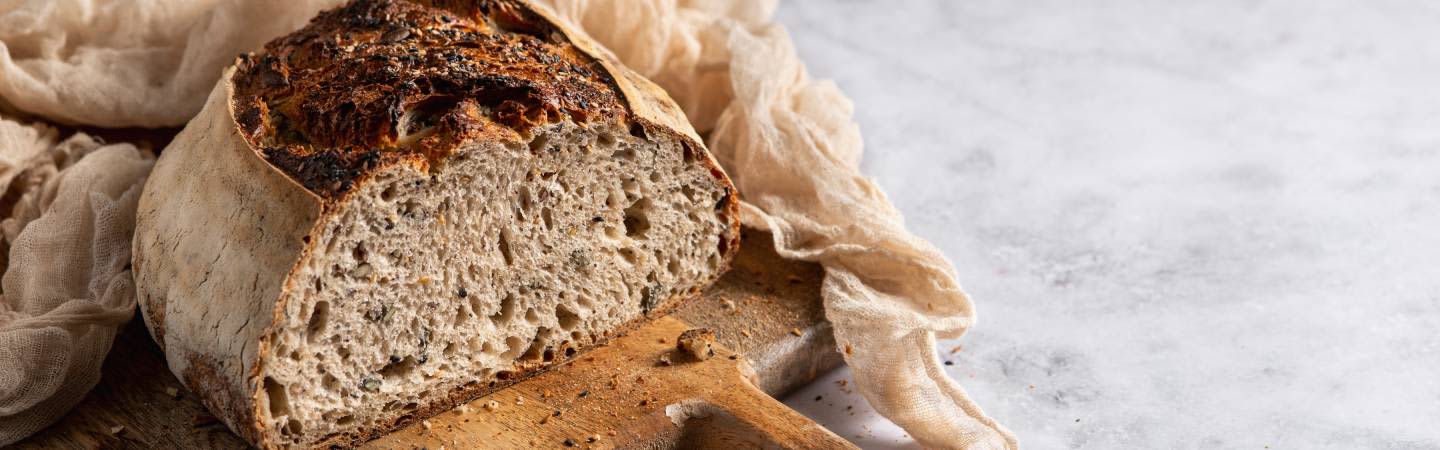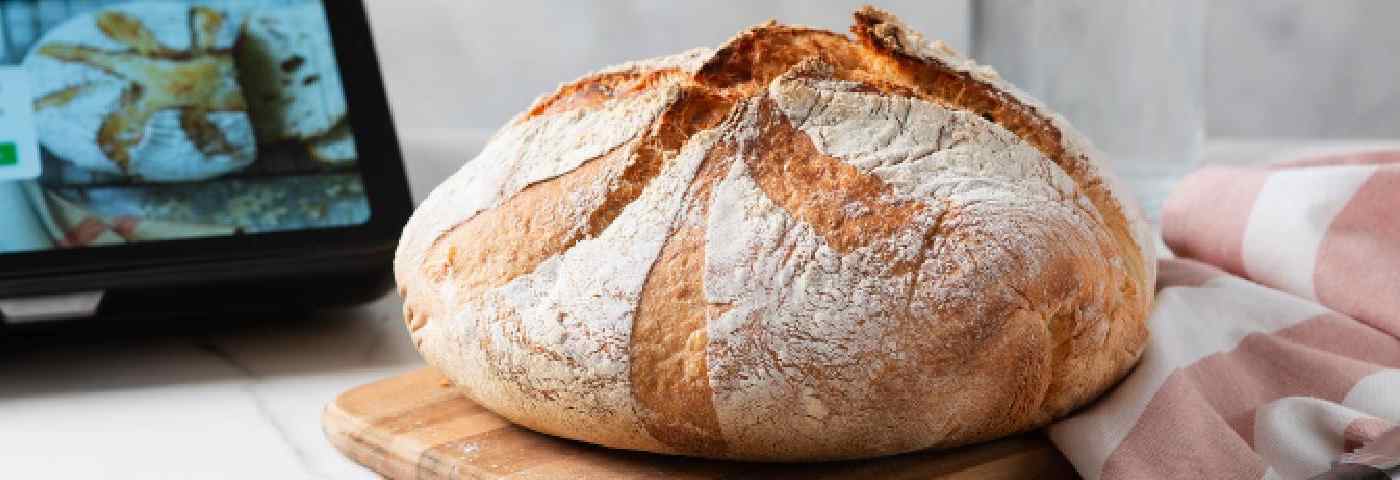
Why does good bread move us so deeply? Maybe it’s the crackle of the crust giving way to warmth, or the way one simple slice can quiet a room and bring everyone together. Or perhaps it’s because it tastes like home.
Bread’s story begins over 14,000 years ago, when early hands mixed crushed wild grains with water and cooked them on hot stones, creating the first flatbreads. Over time, something magical happened, most famously in Ancient Egypt, when dough was left to rest and began to rise, transforming into something lighter, softer, and full of life. From there, bread traveled across continents and generations, shaped by the grains, climates, and traditions of each place it touched, quietly becoming part of the rhythm of everyday life. And now, we’re circling back toward slower ferments, whole grains, and the kind of patience that makes a loaf feel like home.
"When the crust crackles, footsteps follow. They always do.”
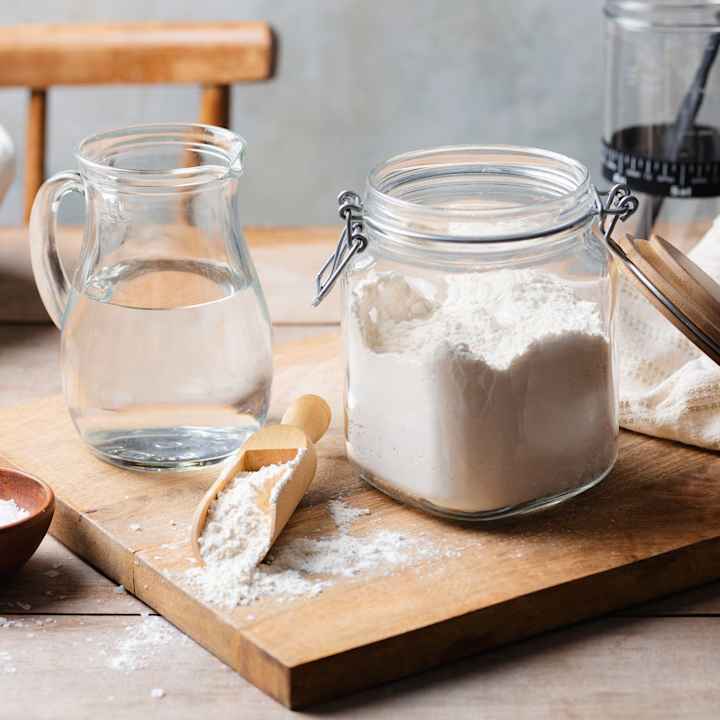
Here, bread is more than a recipe. It is an invitation; a way of gathering without words. Flour, water, salt... and time: these are the essentials. Good bread isn’t complicated; it’s attentive. You observe, you listen, you wait. The aroma will tell you when it’s ready to share. Come back tomorrow and we’ll breathe life into flour, and you’ll feel the calm that settles while we wait.
When bread is rushed, it loses some of its magic. With care and patience, it comes back to life. A simple dough becomes a reason to gather close, pass the plate, and share a moment together.
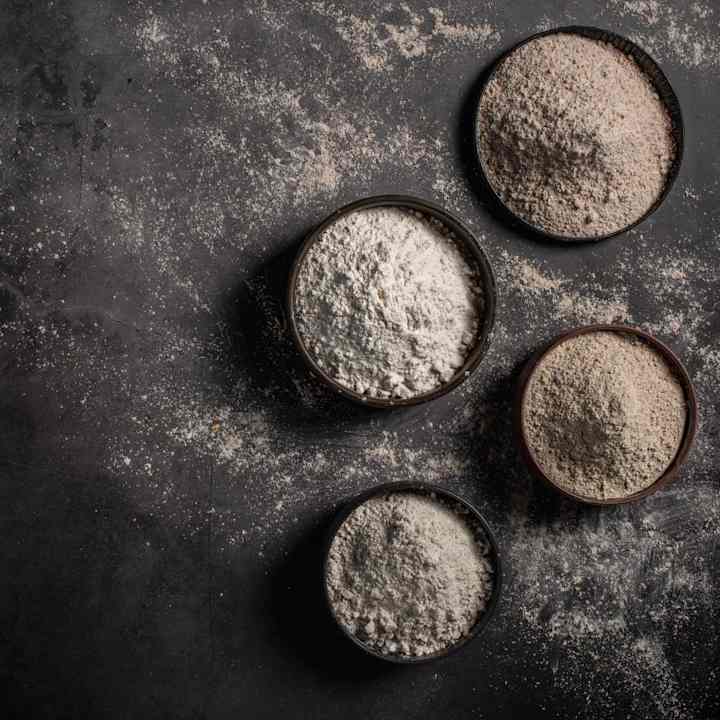
Strong versus weak:
• Strong wheat flour, such as bread flour (11–13%+ protein), absorbs more water and creates elastic doughs, making it ideal for loaves, baguettes, and rolls.
• Weak flour, such as pastry and cake flour (8–10%): is better suited to delicate bakes and softer doughs.
Rye versus wheat:
• Rye is naturally sticky and benefits more from mixing and resting than from heavy kneading. It pairs well with sourdough and is easiest to shape with a dough scraper.
• Wheat develops a strong gluten network that can be checked with the membrane test. Fold cycles help build structure and tension.
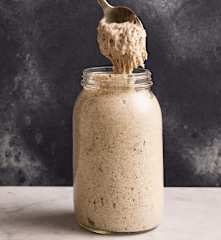
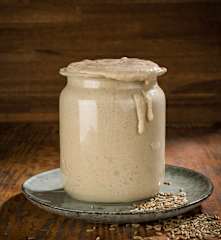
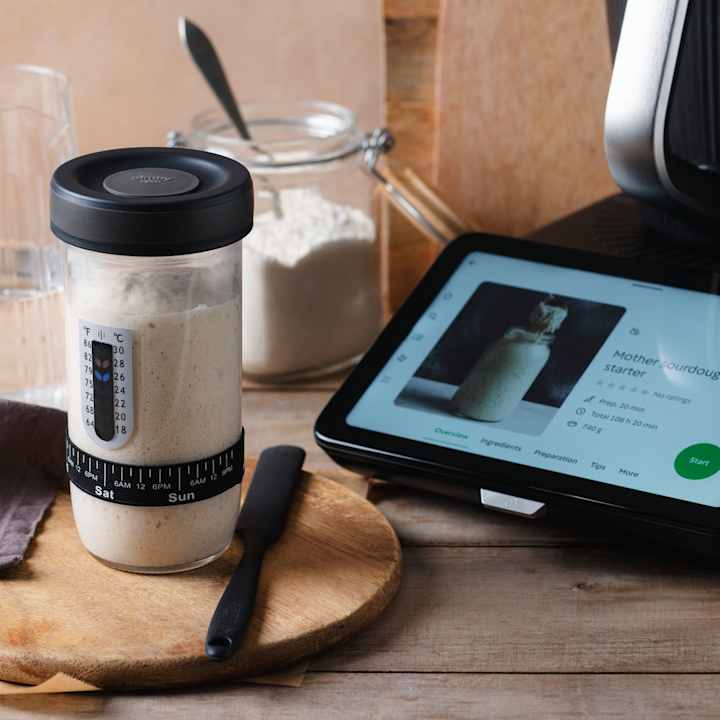
Now lean in a little closer and breathe in: that gentle tang you will come to love is sourdough speaking. Through long, natural fermentation, the grain reveals its best qualities, giving the bread a crunchier crumb, a delicate acidity, and a shelf life that stretches easily into the third or fourth day. Many also find it gentler on the stomach.
For a while, we lost touch with this slower rhythm, but it is finding its way back into our kitchens, one patient loaf at a time. Time is not a hurdle; it is a gift. While the dough rests, life moves on. You fold the laundry, go for a walk, read a chapter, and the bread waits quietly.
Observe, listen, wait. That is the secret.
Storage
• Store flour in a dry, dark place at 64–75°F, and transfer it to airtight containers.
• Use whole grain flours sooner, as they spoil more quickly. If needed, mill grain fresh in your TM7.
Water – Tip
• To let chlorine dissipate, leave tap water to stand for a few hours before using it.
• Pay attention to the final dough temperature:
• After kneading, aim for below ~26 °C for wheat dough and ~30 °C for rye doughs.
• For sourdough starters, use warm water (about 35–37 °C). For main doughs, use colder water to help control the dough temperature.
For soft wheat doughs, a relaxed reverse at speed 4 to 5 brings everything together nicely; for firmer doughs, the Dough Mode builds a strong gluten network while you clean up. With rye, we mix and then let it rest, because rest is a crucial part of the process. And once you are finished, a quick Pre-clean keeps the bowl beautifully clean with very little effort.
Thermomix® is your partner in the kitchen
• Built-in scale: Enables precise measuring of flour, water, and salt, even when working with small dough quantities
• Accurate temperature control: Brings water to the exact temperature for sourdough and supports proofing with Fermentation Mode
• Knead or Mix:
• Soft wheat doughs: Use reverse/speed 4–5 for a smooth, homogeneous structure
• Firmer doughs: Use Dough Mode for strong gluten development
• Rye doughs: Mix rather than knead intensively, then allow the dough to rest
• Cleaning: Pre-clean Mode or a quick rinse immediately after mixing keeps cleanup simple and effortless.
Take a slice of today’s loaf with you on the walk home and listen closely as the crust cools. It will tell you when it is ready. And when you’re ready, there’s more to uncover. Beyond this page, the story unfolds into the quiet alchemy of four simple ingredients: flour, water, salt, and time. There, dough begins to breathe and the kitchen, almost without you noticing, becomes a small sanctuary where life is patiently cultivated.